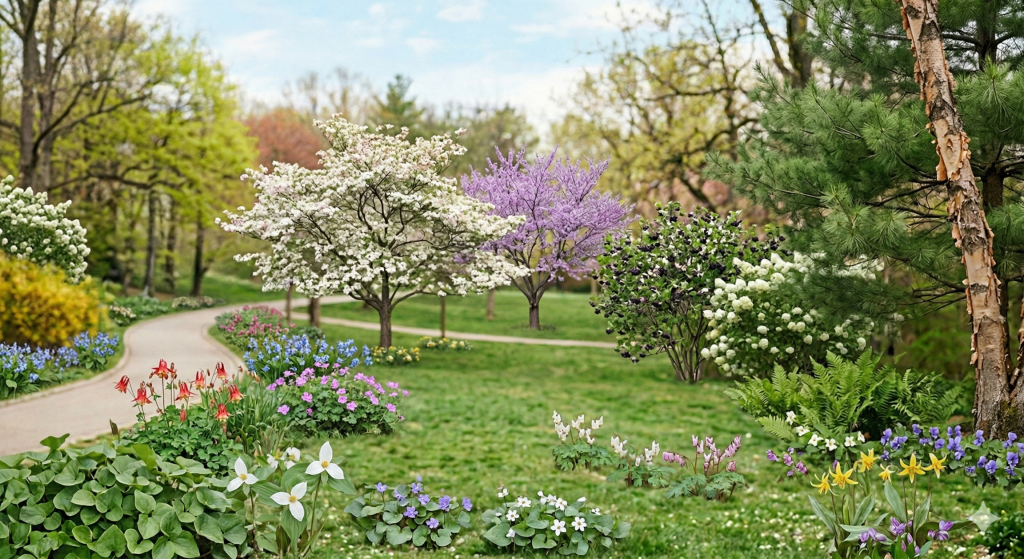
Is it just us, or does the first scent of thawing earth feel like a fresh start? While the temptation is to run to the garden center and buy every blooming flower in sight, the secret to a low-maintenance, lush landscape starts with a little bit of strategic “prep work” in March.
If you want a yard that looks like a professional retreat without the 24/7 labor, follow our early-spring checklist.
The “Clean Slate” Strategy
Before you plant, you have to purge. Clear away fallen branches, matted leaves, and any debris left over from winter storms.
- Pro Tip: Don’t be too aggressive with the rake just yet! Beneficial pollinators (like ladybugs and bees) often nest in leaf litter until temperatures consistently stay above 10°C (50°F).
Pruning for Growth
Late winter and early spring are the best times to prune many shrubs and trees while they are still dormant. This directs the plant’s energy toward new, healthy growth rather than trying to sustain damaged limbs.
- Focus on: Summer-blooming shrubs.
- Avoid: Spring-bloomers (like Lilacs or Forsythia), or you’ll accidentally cut off this year’s flowers!
Why “Native” is the New Luxury
We are big believers in Native Plants. Why? Because they’ve already evolved to survive our local climate and soil. They require less water, fewer pesticides, and they provide a buffet for local birds and butterflies.
- Try this: Instead of high-maintenance imported groundcovers, consider [Insert Local Native Plant, e.g., Wild Ginger or Creeping Phlox].
Edge and Mulch Like a Pro
Nothing says “professional landscaping” like a crisp, deep edge along your flower beds. Once your edges are cut, apply a 2-3 inch layer of organic mulch. This suppresses weeds before they start and keeps moisture in the soil as the weather warms up.
Check Your Tech
If you have an irrigation system, now is the time for a “test run.” Check for leaky valves or clogged sprinkler heads. A small leak in March can lead to a massive water bill (and a drowned garden) by June.
Why Local Knowledge Matters
Every yard is a unique ecosystem. What works for a neighbor might not work for your soil type or sun exposure. That’s where we come in. We don’t just mow lawns; we build sustainable outdoor living spaces that get better with age.
Ready to skip the DIY stress?
If you’d rather spend your weekends enjoying your yard instead of working in it, let’s chat. We’re currently booking Spring Clean-Up Packages and Native Garden Design consultations for the 2026 season.