Traditional landscaping has long relied on high resource consumption, synthetic chemicals, and heavy water usage to force a specific aesthetic onto the land. However, modern property owners are realizing that outdoor spaces don’t have to exist at the expense of the environment.
Transitioning to sustainable landscaping practices allows us to cultivate thriving, resilient spaces that respect local ecosystems while dramatically lowering long-term maintenance costs.
What Are Sustainable Landscaping Practices?
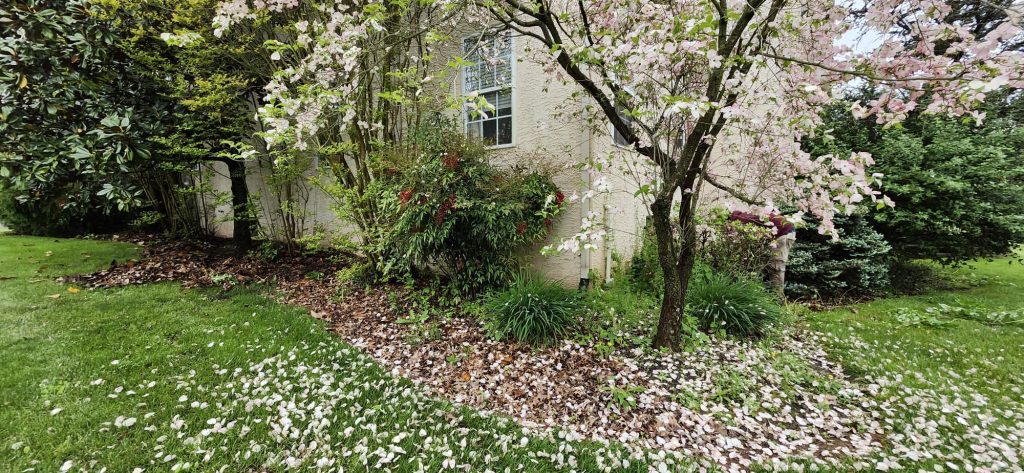
Sustainable landscaping is the practice of designing, constructing, and maintaining outdoor spaces to work in harmony with natural ecosystem functions rather than against them. Instead of depleting resources, these practices focus on regeneration and conservation.
The core principles of this approach rest on:
Resource Conservation: Reducing the inputs required to keep a landscape healthy, particularly water and energy.
Soil Vitality: Prioritizing organic, biological methods to keep soil rich and active.
Pollution Prevention: Decreasing runoff and eliminating synthetic chemicals that threaten local watersheds.
The Importance of Eco-Friendly Materials and Techniques
Every material chosen for a project carries a footprint. Using eco-friendly options—like natural mulches, organic composts, and recycled hardscape items—supports the environment by reducing waste and supporting the soil microbiome. Techniques like creating permeable walkways ensure that rainwater filters naturally back into the ground rather than overloading storm sewers.
Examples of Sustainable Practices
Native Plants: Utilizing flora that naturally evolved in the specific region, meaning they are inherently adapted to the rainfall, soil conditions, and climate without requiring artificial interventions.
Xeriscaping: A comprehensive landscaping methodology designed explicitly to minimize or entirely eliminate the need for supplemental irrigation, replacing thirsty turf with drought-tolerant varieties and decorative stones.
Benefits of Sustainable Landscaping for the Environment
Shifting away from intensive lawn maintenance yields sweeping environmental advantages that extend far beyond a single property boundary.
Reducing Water Usage and Improving Soil Health
Conventional lawns demand immense amounts of supplemental watering, a practice that strains local water tables. Sustainable techniques group plants by their water needs (hydrozoning) and use targeted drip irrigation to slash waste. Combined with organic composting, these steps nurture a vibrant soil structure that retains moisture efficiently and cycles nutrients naturally, reducing erosion.
Impact on Local Wildlife and Biodiversity
Manicured turfgrass acts as an ecological desert. By introducing diverse foliage, native flowers, and structural trees, you create a sanctuary for local wildlife. Birds, beneficial insects, and essential pollinators like bees and butterflies are given the food and shelter they need to survive, helping to restore fragmented local food webs.
Mitigating Climate Change Effects
Lush, diverse landscapes function as powerful tools against climate change. Deeper root systems from native plants act as efficient carbon sinks, pulling carbon dioxide out of the atmosphere and storing it in the soil. Furthermore, swapping concrete for dense greenery actively fights the “urban heat island effect,” lowering local temperatures significantly.
Business Benefits of Sustainable Landscaping
Eco-friendly property management isn’t just a win for nature; it offers highly tangible, bottom-line benefits for commercial operations and corporate campuses.
Cost Savings from Reduced Maintenance and Water Usage
While the initial setup might require an intentional design shift, the operational cost savings accumulate rapidly. Because sustainable properties don’t require daily irrigation, constant synthetic chemical applications, or relentless weekly mowing, property managers see an immediate drop in resource utility bills and ongoing labor costs.
Enhancing Corporate and Business Image
Modern consumers are highly conscious of corporate environmental responsibility. A beautifully executed, eco-conscious landscape serves as a visible statement of a brand’s values. It shows clients, tenants, and visitors that a business is actively invested in sustainability, converting passive outdoor square footage into a powerful asset for corporate social responsibility (CSR).
Increasing Customer Engagement
An engaging, natural ecosystem creates a welcoming atmosphere. Features like native walking paths, rain gardens, and pollinator-heavy courtyards draw foot traffic and encourage visitors to linger longer on the property. This increased dwell time can positively impact retail tenants, enhance tenant retention, and foster deep community goodwill.
How to Implement Sustainable Landscaping in Your Property
Transforming a traditional property into a sustainable one doesn’t have to happen all at once. Success lies in a structured, phased approach.
Step 1: Assess Existing Landscaping and Plan Practices
Before making changes, audit your current footprint. Track your existing monthly water usage, map out sunny versus shaded zones, and identify low-performing turfgrass areas that require excessive effort to keep green. Use these insights to map out a phased plan, prioritizing high-waste zones for immediate conversion.
Step 2: Select Appropriate Plants and Materials
When replacing vegetation, always prioritize local adaptability.
Consult a regional hardiness zone map to choose varieties that naturally thrive in your local climate.
Opt for organic, locally sourced mulches that suppress weeds naturally while breaking down into clean nutrients.
Choose permeable hardscape materials for patios and walkways to properly manage stormwater runoff.
Step 3: Connect with Local Sustainable Landscaping Experts
Navigating soil biology, irrigation technology, and native flora can get complex. Partnering with professionals ensures your strategy succeeds over the long haul. Look for local resources such as:
University Extension Offices: Excellent for free, region-specific guides on native vegetation and soil testing.
Certified Sustainable Landscape Professionals: Search for local contractors boasting eco-conscious design credentials or water-efficient certifications.
Native Plant Societies: Great community networks for sourcing rare local seeds, plants, and hands-on maintenance advice.