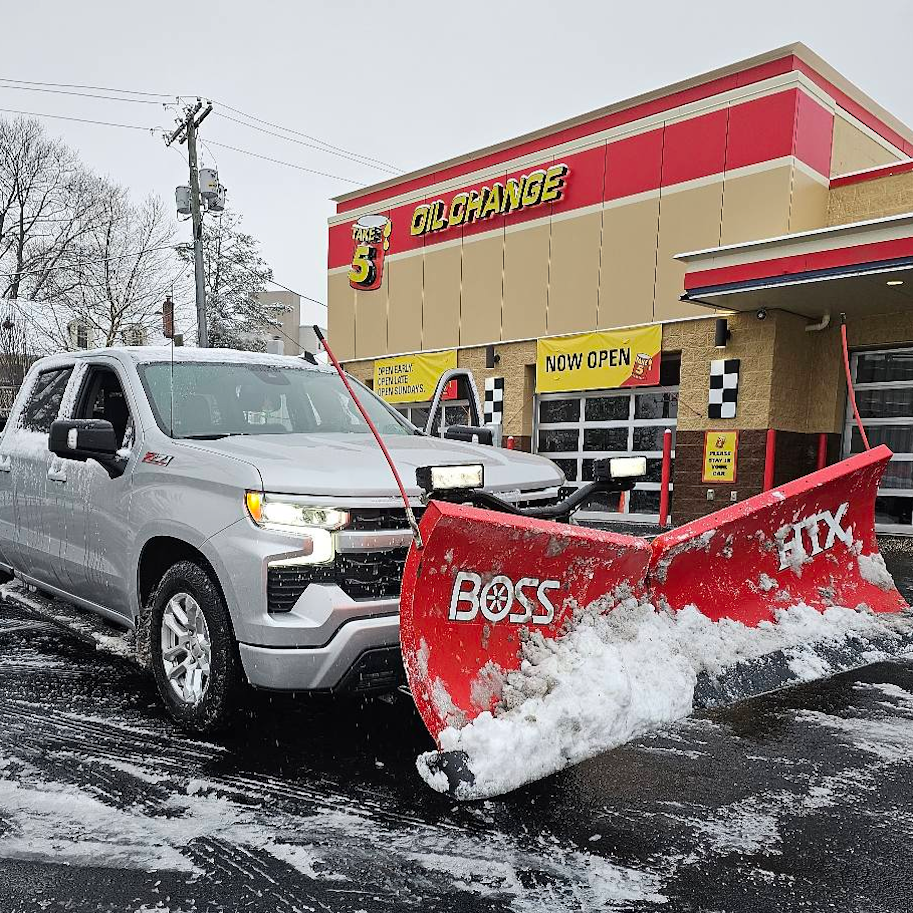
When temperatures hit 85°F in August, snow management is usually the last thing on most people’s minds. But for commercial property managers and facility directors across Southeastern Pennsylvania, late summer is actually the critical window to secure winter risk mitigation.
Waiting until the first frost in October or November to sign a snow plowing contract in PA leaves your property exposed to operational delays, skyrocketing costs, and severe slip-and-fall liability.
Here is why proactive commercial managers lock in their winter management plans before September rolls around.
1. Guaranteed Priority Dispatch When Storms Hit
Snow service providers have a hard limit on fleet capacity and route density. When a major winter storm rolls into Montgomery County, commercial snow removal fleets execute tight, pre-planned routes optimized for speed and efficiency.
If you secure your contract in August:
- Your site is mapped and routed early: Equipment, operators, and site-specific staging are assigned months in advance.
- You lock in guaranteed response times: Dedicated crews know your property layout, curb lines, utility placements, and drain locations before snow covers them.
- You avoid the scramble: Waiting until autumn means fitting into leftover gaps in provider routes—or paying exorbitant emergency rates when a storm arrives unannounced.
2. Proactive Liability Exposure & Slip-and-Fall Prevention
Slip-and-fall lawsuits represent one of the single largest liability risks for commercial real estate in Pennsylvania. Ice accumulation on walkways, parking bays, and loading docks isn’t just an inconvenience—it’s a massive financial exposure.
THE LATE-SEASON CONTRACT RISK GAP
| August Booking | October/November Scramble |
| • Pre-storm site mapping | • Rushed site inspections |
| • Custom de-icing plans | • Unmapped hazard zones |
| • Guaranteed SLAs | • Limited salt allocation |
| • Zero-tolerance coverage | • Higher liability risk |
When you negotiate early, you have time to build customized scope requirements into your agreement:
- Zero-Tolerance Snow Policies: Ensures continuous de-icing and clearing during operational hours to maintain safe access for tenants, employees, and retail foot traffic.
- Pre-Season Site Audits: Contractors document existing pavement damage, curbs, and hazardous drainage areas before snow buries them, establishing clear liability baselines.
- Pre-Wet & Anti-Icing Protocols: Establish pre-treatment thresholds using liquid brine to prevent ice bonding to asphalt altogether.
Key Risk Metric: According to industry data, slip-and-fall claims average over $30,000 per incident in direct medical and legal costs. A comprehensive pre-season contract protects both your budget and your site visitors.
3. Supply Chain Security for Salt & De-Icing Materials
Bulk road salt and specialized liquid anti-icing chemicals experience seasonal demand spikes and supply chain bottlenecks every winter. Commercial contractors purchase and allocate material reserves based on signed contracts on file in late summer.
By finalizing your commercial snow removal in Montgomery County during August, your service provider guarantees material allocation dedicated to your square footage—protecting your property from mid-winter salt shortages and sudden price surges.
4. Better Budgeting & Fixed-Cost Options
Locking in your winter management strategy in August gives facility directors ample time to select the right contract structure for their operational budget:
| Contract Type | Ideal For | Primary Benefit |
| Fixed Seasonal Rate | Properties with rigid annual budgets | Budget certainty regardless of total snow volume |
| Per-Event / Per-Push | Low-traffic facilities or flexible budgets | Pay strictly for measurable accumulation thresholds |
| Time & Materials | Complex sites with variable ice management needs | Maximum flexibility for severe weather contingencies |
Summary Checklist for Property Managers
When reviewing your winter contract this month, confirm your contractor provides:
- Detailed Site Maps: Highlighting snow stack zones, fire hydrants, drains, and delicate landscaping.
- Dedicated Equipment Allocation: Assigned skid steers, plows, and salt spreaders dedicated to your route.
- Automated Service Logs: Digital time-stamped proof of performance for liability defense.
- 24/7 Storm Tracking & Communication: Direct access to dispatchers throughout major weather events.
Ready to Secure Your Winter Risk Management Plan?
Don’t wait until the first winter storm forecast forces a rushed decision. Protect your tenants, minimize liability, and lock in guaranteed priority service for the upcoming season.