For modern commercial property managers, time is the ultimate currency. Balancing tenant retention, facility maintenance, and strict operational budgets requires meticulous organization. Yet, one of the most overlooked operational bottlenecks happens right outside the front door: reactive landscaping management.
Operating without structured commercial landscaping contracts might seem flexible initially, but it introduces a massive “time tax” that drains over 40 hours of productive labor from facility managers every single year.
Transitioning to a proactive, long-term commercial property maintenance agreement shifts your workflow from a chaotic, reactive cycle to an automated, efficient asset-protection strategy.
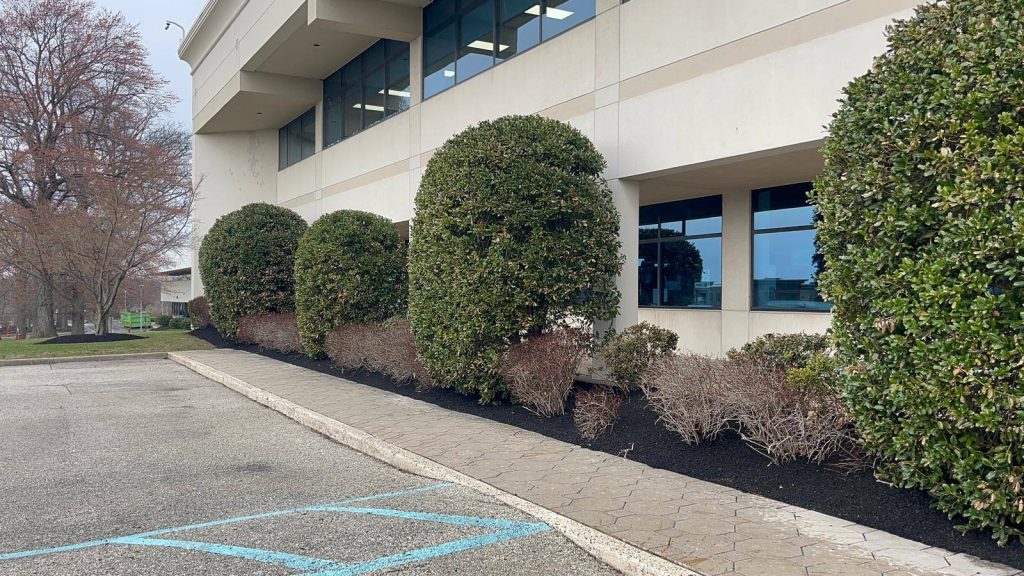
Why Commercial Landscaping Contracts Drive Property Management Efficiency
1. Eliminating the Administrative “Bid-and-Approve” Loop
Managing commercial grounds reactively means you are constantly sourcing ad-hoc solutions. When spring arrives, you spend hours gathering mulching quotes. When summer peaks, you are chasing down local crews for mowing. When fall hits, the cycle repeats for leaf removal.
A comprehensive annual contract eliminates this administrative friction. It maps out a 12-month scope of work covering spring turf revitalization, scheduled summer mowing, fall leaf management, and proactive winterization.
By automating the transition between seasons, you eliminate dozens of hours spent reviewing bids, writing individual purchase orders, and playing phone tag with unvetted crews.
By automating the transition between seasons, you eliminate dozens of hours spent reviewing bids, writing individual purchase orders, and playing phone tag with unvetted crews.
2. Streamlining Account Payables and Vendor Compliance
The administrative burden of managing multiple uncontracted vendors stretches far beyond the field. Every new vendor requires W-9 collection, independent contract reviews, and rigorous insurance compliance tracking (COIs).
If you manage multiple properties, this results in a chaotic influx of unpredictable, sporadic invoices. Structured commercial landscaping contracts consolidate your billing. They transform fluctuating seasonal expenses into a predictable, fixed monthly fee, drastically reducing the time your accounting team spends auditing and processing invoices.
3. Shifting to Proactive “Eyes on the Ground” Liability Management
When you don’t have a dedicated landscaping partner, you are the default quality assurance inspector. You must personally audit the turf quality, look for broken irrigation heads, and identify low-hanging tree limbs that pose a safety hazard to pedestrians.
An elite commercial landscaping partner operates as an extension of your management team. Through scheduled site audits, they proactively identify drainage problems, diseased foliage, or irrigation inefficiencies before they result in tenant complaints or expensive property damage. You step out of the role of supervisor and into the role of reviewer.
Key Strategies for Negotiating Commercial Landscaping Contracts
To ensure your agreement maximizes property management efficiency, focus on these critical negotiation elements:
Request a Predictable, Levelized Payment Structure
Avoid contracts that bill purely by the hour or by the individual visit, as these cause massive budget volatility during peak growing seasons. Instead, negotiate a levelized contract that distributes the total annual cost evenly across 12 months. This makes your quarterly forecasting seamless and eliminates billing surprises.
Formulate Clear Service Level Agreements (SLAs)
Ambiguity breeds micromanagement. Your contract should explicitly state performance metrics rather than vague promises. Define exact mowing heights, weeding frequencies, and specific timeframes for seasonal cleanups. Clearly defined metrics hold your provider accountable without requiring your daily supervision.
Consolidate with a Dedicated Account Manager
If you oversee a diverse portfolio, negotiate for a single point of contact across all your locations. Having one dedicated account manager means you only have one person to email for emergency storm cleanups, irrigation adjustments, or routine updates, keeping communication tight and efficient.
Conclusion: Investing in Strategic Partnerships
Ultimately, a commercial landscaping contract is more than a tool for curb appeal; it is an investment in operational leverage. By reducing administrative friction, stabilizing budgets, and automating site oversight, property managers can reclaim an entire workweek every year—allowing them to focus on high-impact asset management and tenant satisfaction.
Want to evaluate how a structured maintenance plan can streamline your property portfolio? Contact Fox Landscaping today to discuss a tailored strategy for your commercial grounds.