If you manage a commercial property in Norristown, King of Prussia, or Blue Bell, you know the struggle: Pennsylvania weather is unpredictable. From humid, scorching summers to heavy winter snow, your landscape has to be tough.
But before we talk about what goes into the ground, we have to talk about the ground itself. In Montgomery County, our clay-heavy soils tend to pack down like concrete over the winter.
The Foundation: Why We Start with Spring Aeration
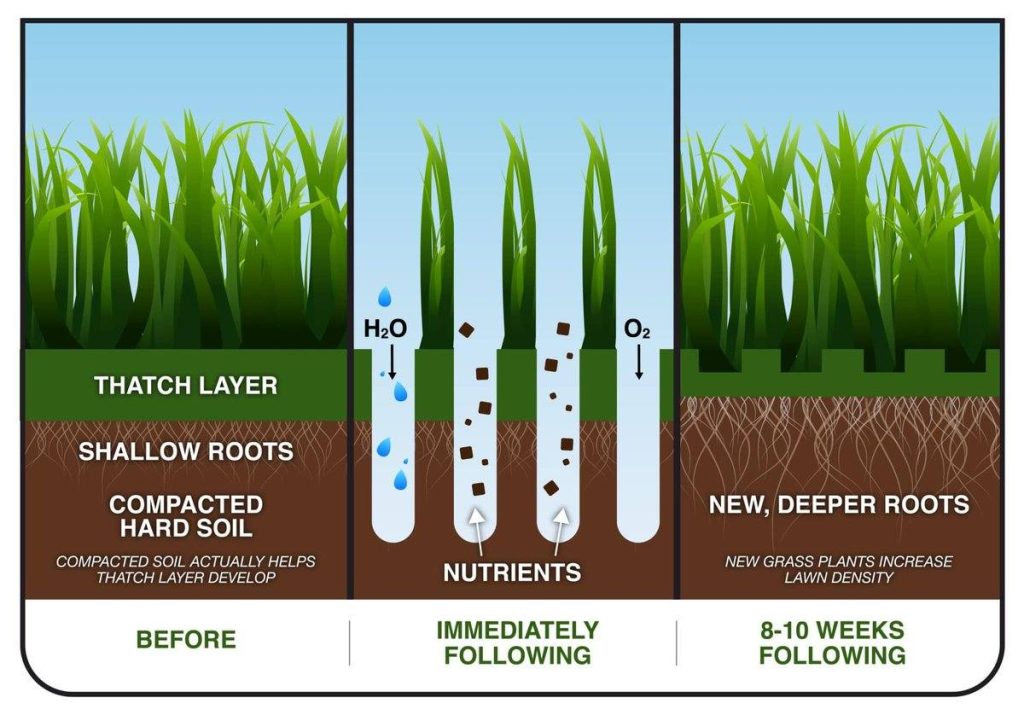
Before planting your new native garden, the existing turf and soil beds need to “breathe.” Core Aeration is the essential first step of the season.
By pulling small plugs of soil from your lawn and garden borders, we:
- Reduce Runoff: In the Schuylkill River Valley, spring rains can cause flooding. Aerated soil acts like a sponge, keeping water on your property and out of the storm drains.
- Relieve Winter Compaction: High-traffic commercial areas in Plymouth Meeting get packed down by snow and foot traffic. Aeration breaks that “brick” of soil apart.
- Fuel the Roots: Native plants have deep root systems. Aeration creates the “highways” for oxygen and spring rain to reach those roots, ensuring they establish quickly.
Once your soil is “awake” and breathing, it’s time to choose the right plants. Here are our top five picks for high-impact, low-maintenance beauty that thrives in our backyard.
Purple Coneflower (Echinacea purpurea)
A staple for any low-maintenance commercial landscape. Once established in aerated, healthy soil, the Coneflower is incredibly drought-tolerant and provides a long-lasting bloom from mid-summer through fall.
The Benefit: It’s a pollinator magnet. For commercial sites looking to boost their “Green” credentials, a butterfly-friendly garden is a visible win for tenants.
Little Bluestem (Schizachyrium scoparium)
This native grass offers a striking blue-green color in summer and turns a gorgeous mahogany-red in the winter.
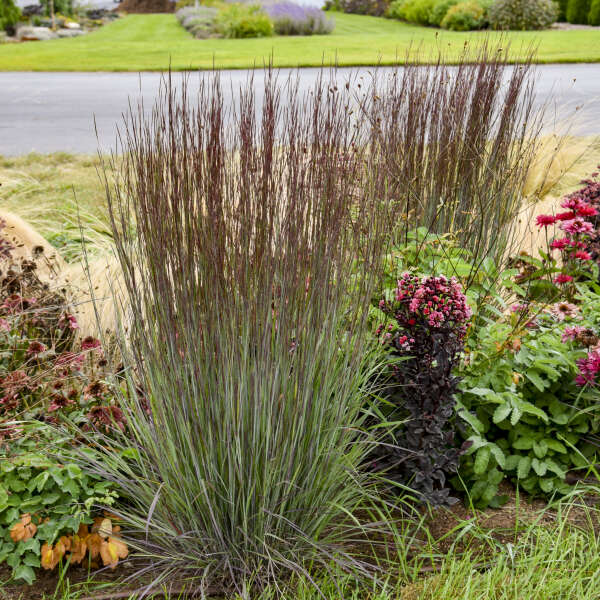
The Benefit: Its deep root system (which thrives in aerated soil) makes it an excellent choice for erosion control on slopes common in Conshohocken.
Oakleaf Hydrangea (Hydrangea quercifolia)
Unlike finicky imported varieties, the Oakleaf is a powerhouse. It offers huge white blooms, stunning fall foliage, and interesting “peeling” bark for winter interest.
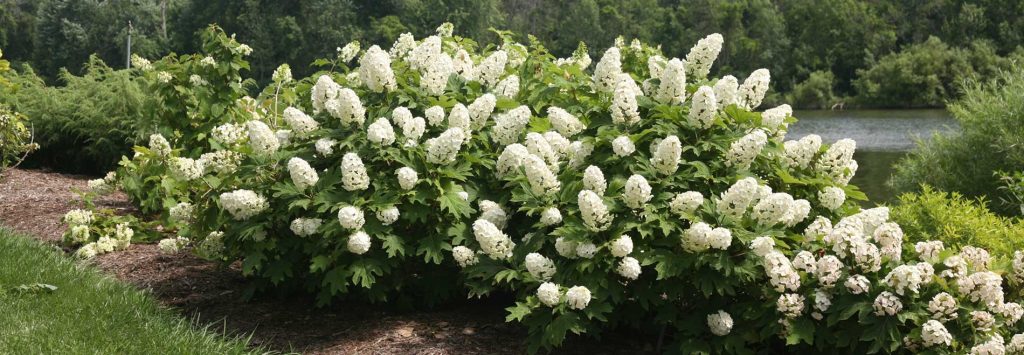
The Benefit: It handles the shade and moisture of the Lower Providence woodlands perfectly.
Pennsylvania Sedge (Carex pensylvanica)
Tired of the labor costs of mowing a shaded patch? This “no-mow” grass alternative creates a soft, tufted carpet that stays green with almost zero effort.
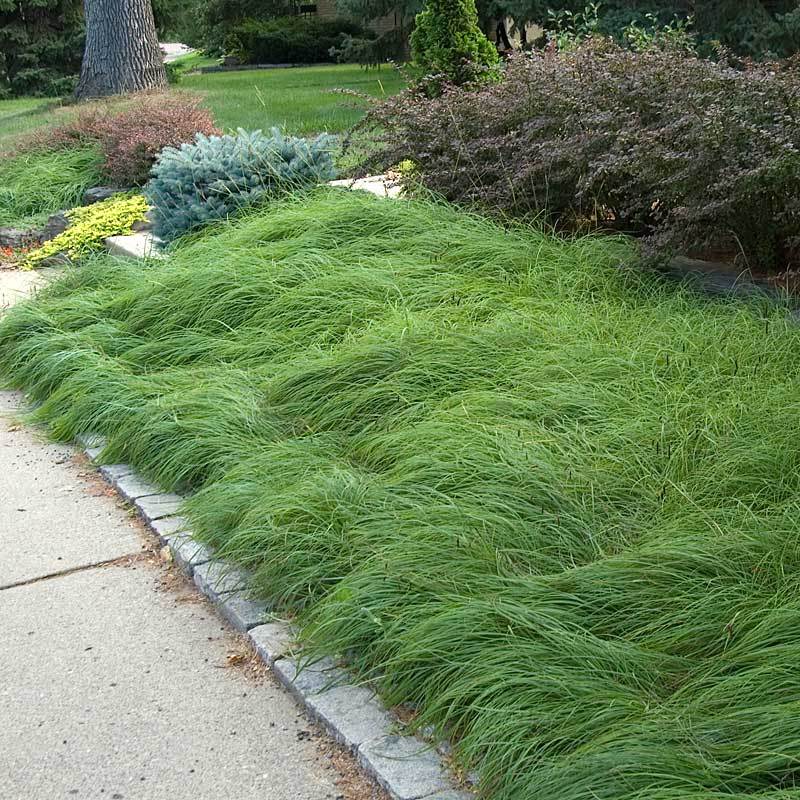
The Benefit: Ideal for high-end office parks in Blue Bell that want a manicured look without the weekly noise of mowers.
Winterberry (Ilex verticillata)
Commercial landscapes often look “dead” in February. Winterberry drops its leaves to reveal bright red berries that last all winter long.
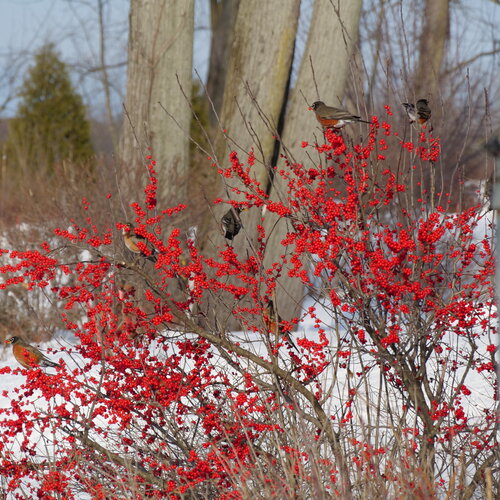
The Benefit: It provides critical food for local birds and keeps your property’s curb appeal high 365 days a year.
The Strategic Advantage for Property Managers
At Fox Landscaping, we don’t just mow; we build resilient ecosystems. For commercial property managers in Montgomery County, combining professional spring aeration with native plant design means:
- Lower Water Bills: Native plants in aerated soil survive on rainfall alone.
- Fewer Chemicals: Healthy soil biology naturally suppresses pests.
- Higher Asset Value: A lush, sustainable landscape attracts higher-quality tenants.
Our team specializes in the specific soil profiles of East Norriton and West Norriton. We know exactly when the ground is ready for aeration and which natives will thrive in your specific sun exposure.
Ready to skip the DIY stress?
Don’t let your property fall behind this spring. Whether you need a full commercial aeration or a native plant refresh, we’re currently booking for the 2026 season.